

A practical guide to organizing digital assets, preserving online memories, and making your wishes easier for loved ones to follow.

When a loved one dies, families face many decisions about how to honor their life. For those choosing cremation, one of those decisions is whether to bring family and friends together afterwards. Some families choose to have a memorial service or celebration of life. Others prefer a simple cremation without a formal ceremony. Regardless of which option feels right, gathering with loved ones can provide and opportunity to share memories, find comfort in one another, and honor a life in a meaningful way. A reception or informal gather does not need to be elaborate or expensive. It simply provides time for family and friends to come together, support one another, and remember someone who meant so much to them. Why Gathering Together Matters When someone we love dies, having people around us who share our loss can bring a sense of comfort and connection. A gathering after cremation creates an opportunity for family members and friends to spend time together without the structure or formality of a traditional funeral service. It gives people the chance to tell stories, share favorite memories, reconnect with relatives, and reflect on the life of the person they have lost. For families who choose direct cremation without a memorial service, a gathering can be an especially meaningful way to acknowledge their loved one's passing. It provides an opportunity for friends, neighbors, coworkers and extended family members to offer their condolences and share memories that the immediate family might not have otherwise have heard. There is no single way to honor a life, but spending time with the people who knew and loved that person can be a meaningful part of remembering them. It Doesn't Have to Be Elaborate One of the benefits of choosing cremation is the flexibility it offers families when deciding how and when to honor their loved one. A gathering does not require a banquet hall, professional catering, or an elaborate event. In fact, some of the most meaningful gatherings are the simplest. It might be coffee and pastries at a family member's home, a backyard cookout, a potluck dinner, or a small get-together at your loved one's favorite restaurant. Some families choose to gather shortly after their loved one's death, while others prefer to wait several weeks or months until relatives can travel or the family feels ready. Unlike a traditional funeral service that typically takes place within a relatively short period after a death, cremation allows families greater flexibility in planning a memorial gathering. What matters most is not the location, the food, or the size of the gathering. It is the opportunity to be together and remember someone you love. The Personal Touches That Make It Meaningful A gathering after a cremation can be as unique as the person being remembered. Think about all the things that made your loved one special. Their favorite foods, hobbies, music, traditions, and the little details that made them who they were. Incorporating these elements into a gathering can create opportunities for family and friends to share memories and celebrate the life they lived. For example, you might serve their favorite homemade dessert, display photographs from different stages of their life, play a collection of their favorite songs, or invite guests to write down a favorite memory that the family can keep. If your loved one enjoyed spending time outdoors, you might plan a gathering at a favorite park or in a family member's backyard. Some families also choose to display their loved one's urn alongside photographs, flowers, or other meaningful keepsakes. These personal details can help create an atmosphere where guests feel comfortable sharing stories and smiling at happy memories. A Space for Everyone Who Loved Them One of the meaningful aspects of a memorial gathering is the opportunity to bring together people from different parts of your loved one's life. Family members may know one side of a person, while coworkers, neighbors, childhood friends, and other acquaintances may have entirely different memories to share. When these people come together, families often hear stories they have never heard before. A former coworker might recall a small act of kindness. An old friend might share a funny story from decades ago. A neighbor might remember a simple gesture that meant more than your family ever realized. These moments offer a fuller picture of your loved one's life and the impact they had on the people around them. Even a small, informal gathering can create opportunities for these stories to be shared and cherished for years to come. Finding the Right Way to Remember Your Loved One Choosing cremation does not mean you have to forgo the opportunity to gather with family and friends. Whether you prefer a traditional memorial service, a celebration of life, or a quiet afternoon spent sharing memories around the kitchen table, there are many ways to honor someone who has died. A gathering can take place before cremation, shortly afterward, or at a later date that works best for your family. It can be formal or informal, large or small, and as personalized as you wish. Above all, it should reflect your family's wishes and what feels most meaningful to you. If you are planning cremation for a loved one, consider whether bringing family and friends together might be a comforting way to remember their life. Sometimes, the simplest moments spent together become the memories we carry with us long after the gathering ends. Interested in learning more about cremation and the different ways you can honor your loved one? Our team is here to answer your questions, explain your options, and help you make decisions that feel right for your family. Frequently Asked Questions About Gatherings After Cremation Can you have a reception after cremation? Yes. Families who choose cremation can have a reception, memorial service, celebration of life, or informal gathering to remember their loved one. These gatherings can take place before or after cremation, depending on the family's wishes. Do you have to have a memorial service if you choose cremation? No. Some families choose direct cremation without a formal service, while others prefer to hold a memorial service or celebration of life. There is no requirement to hold a ceremony or gathering. How soon after cremation should you have a gathering? There is no required timeline. Some families gather shortly after their loved one's death, while others wait several weeks or months to allow time for planning or travel. What do you serve at a gathering after cremation? Anything that feels appropriate for your family. Coffee and pastries, sandwiches, a potluck meal, or your loved one's favorite foods are all options. A meaningful gathering does not require an elaborate menu or a large budget.

After the cremation is complete, after the arrangements have been finalized and the house has gone quiet, families reflect. They think about what they would have done differently. What they wish they had known before they began the cremation process for the first time. I've stood on the other side of that process for many years. The insights families share afterword come up so often that they're worth passing along - not as criticism, but as guidance from those who have already walked this path. What Should You Know Before Planning a Cremation? First, it helps to understand that you don't have to have everything figured out right away. Taking a little time, asking questions, and knowing what to expect can make the process far more manageable. "I wish I Knew That I Could Take My Time." The most common regret families share is feeling rushed. In the fog of early grief, every decision feels urgent. But almost nothing about cremation planning requires an immediate answer. You can take time to review your options. You can sleep on decisions about cremation, urns, and what you would like to do with the cremated remains. You can ask for time - and any funeral director worth their license will give it to you without hesitation. The arrangements will wait. Your clarity matters more than speed. "I wish I'd Brought Someone With Me." Grief affects memory and focus. Families who attend arrangement meetings alone often wish they had brough someone with them. A trusted friend or family member can help listen, take notes, ask questions, and share the emotional weight. They're not there to make decisions for you - they're there to support you, catch details you might miss, and remind you afterward of what was said. "I wish I'd Asked About All of the Costs Upfront." Federal law requires every funeral home to provide a General Price List (GPL), and a good funeral director will review it with you line by line. But families often hesitate to ask pointed questions about cost because it feels disrespectful or transactional in the middle of grief. It is neither. Understanding the cost of every element - before you agree to it - is your right, and it is the foundation of a trustworthy relationship between your family and your cremation provider. Ask about package pricing versus itemized options. Ask what is included and what is additional. Ask if there are more affordable alternatives that still align with your wishes. Find out about cash advance items, like death certificates, urns, or other optional services. Funeral Directors expect these questions and are happy to answer them so that you make the right decision for your family and your budget. "I Didn't Know I Still Had Choices." Many families assume that choosing cremation means there are very few decisions to make. What they often discover is that cremation still allows families flexibility in how they choose to remember and honor their loved one. From choosing an urn to scattering cremated remains in a meaningful place, keeping them at home, placing them in a cemetery, or holding a memorial gathering later - there are many ways to reflect a unique life. Don't hesitate to ask for questions. Simplicity does not mean giving up the ability to make meaningful choices. "I Didn't Know How Meaningful a Cremation Could Be." Some families worry that choosing cremation means they are doing less for the person they love. But the amount spent on arrangements does not determine how meaningful a goodbye can be. Cremation gives families the flexibility to remember their loved one in the way that feels right for them. Stories can be shared, photographs displayed, favorite music played, and gatherings held at a time and place that feels meaningful. Even a simple gathering can make a profound difference. Have questions before you make decisions? Our team welcomes that conversation - before, during, or after a time of need. Reach out anytime. We're here. Frequently Asked Questions About What You Should Know Before Planning a Cremation What mistakes should you avoid when planning a cremation? Rushing decisions, not asking questions, and not bringing support are common challenges families face. How do you prepare for a cremation arrangement meeting? Gather basic information, bring a support person, and write down questions in advance. What questions should you ask a funeral director? Ask about services, costs, timelines, and available options.
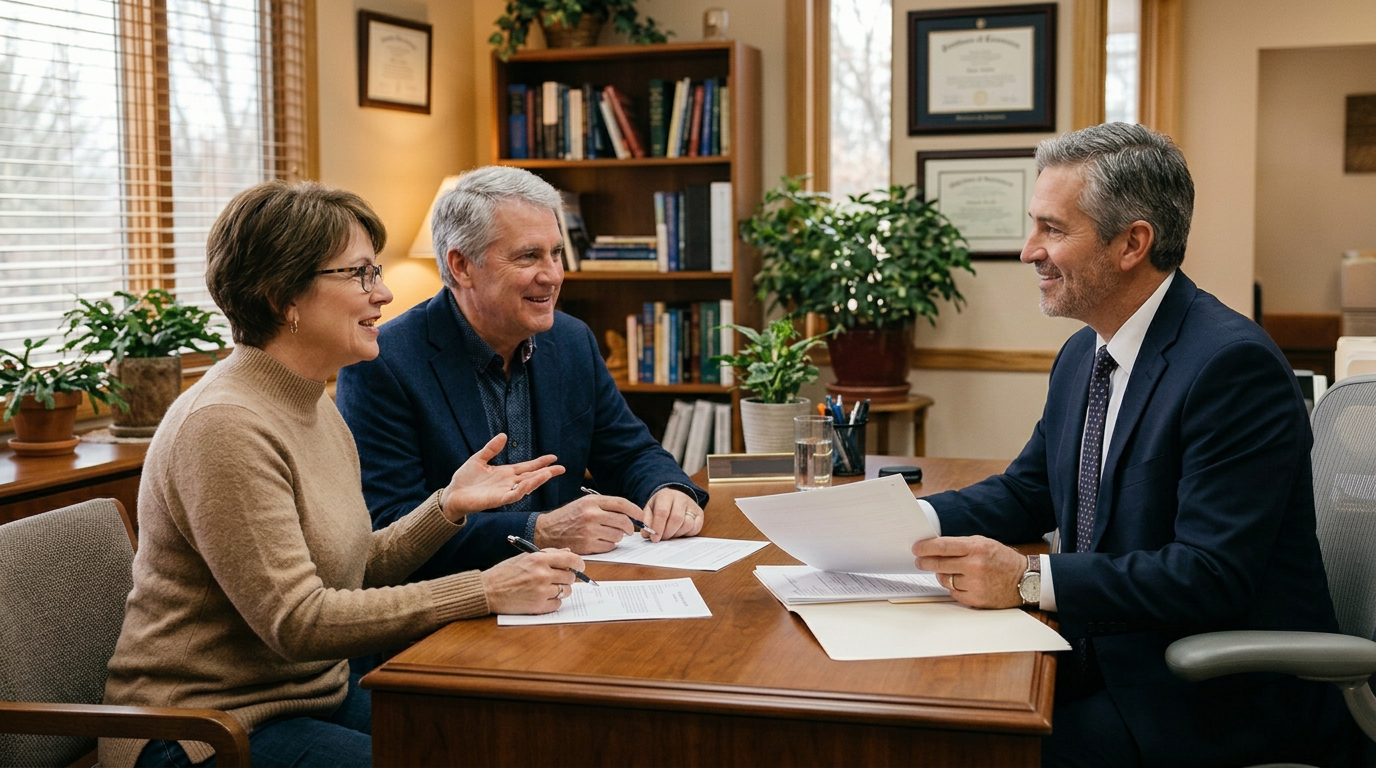
How Funeral Preplanning Eases the Emotional and Financial Burden on Your Family

A Funeral Director's Guide for Families

A simple guide to what happens after a loss.

Need to plan a funeral? We're here to help.

Bandages for Your Heart - Grief Changes You: And It's Okay

Bandages for Your Heart Your Spiritual Toolbox: Everyday Activities for Grief Recovery

Bandages for Your Heart Misery Loves Company: How Grief Support Groups Help